Voice-Over or On-Screen Dialogue: Two Routes into a Story
Voice-over or on-screen dialogue changes what viewers know and whose perspective they share. Learn to spot the difference and diagnose muddy scenes.

The common mistake with voice-over or on-screen dialogue is treating them as interchangeable ways to deliver the same line. That can leave a scene’s point of view muddy: viewers may not know whether they are hearing a character’s private account, a story being told from later on, or speech that belongs to the action in front of them.
The distinction is about more than where a voice comes from. On-screen dialogue is spoken by a character within the scene, whether or not the camera shows that character. Voice-over is heard over the images without being produced by the visible scene at that moment. Each route positions the audience differently in relation to the information, and each can create trouble when its role is unclear.
Start by deciding what the audience should know
Before choosing a voice-over or a line delivered in the scene, identify the information the audience needs and when it should arrive. Is a character sharing what they know with someone else? Are they privately interpreting events? Is the viewer meant to know something the characters do not? The answer helps determine not just the delivery, but the audience’s relationship to the story.
On-screen dialogue makes speech part of a social exchange. A character can answer, interrupt, evade or misunderstand. Viewers read the words alongside the speaker’s behaviour and the listener’s response, so the scene can reveal how information affects a relationship. The spoken line is not automatically true or complete; its delivery and reception are part of its meaning.
Voice-over can give the audience access to a perspective that the scene cannot show directly. A narrator might interpret an image, remember an earlier event or speak from a position outside the action. That can create intimacy or distance, depending on how the voice relates to the images. It can also create a gap between what is said and what viewers see, inviting them to notice the difference.
Choose the form that gives the audience the intended position. If viewers should assess a character’s explanation against another character’s reaction, put the exchange in the scene. If they should hear an account that the scene’s participants cannot offer, voice-over may suit. If the information can be understood through the action alone, neither form may be needed.
When dialogue explains what the image already shows
Redundancy is a frequent problem. A character says that a door is locked while visibly pulling its handle, or a narrator describes a person leaving as the image shows them cross the threshold. The words may be accurate, but they repeat the image rather than changing how the audience understands it.
Usually, the cause is a line written to clarify the action without asking what the audience can already infer. Keep the speech only if it adds a distinct layer: a motive, an unreliable interpretation, a consequence or information about what happens beyond the frame. Otherwise, try removing it and see whether the scene remains clear.
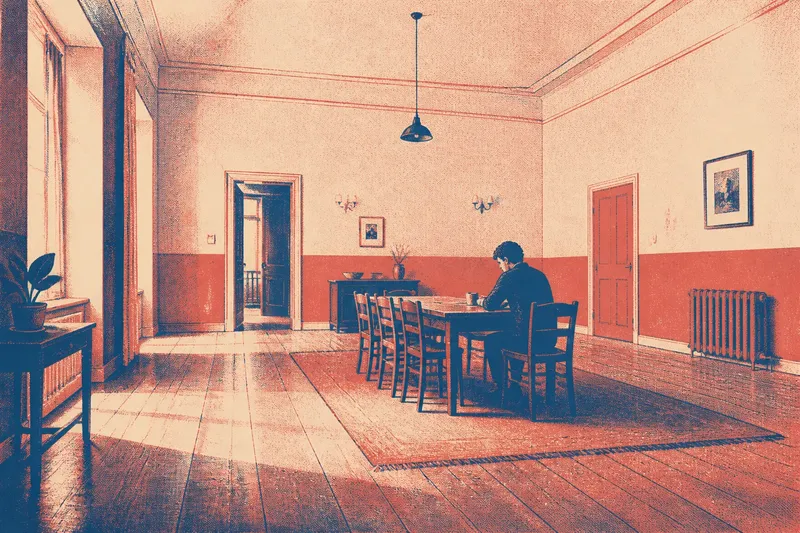
Say you have a scene in which a caretaker turns off the lights in an empty hall. Imagine a voice-over says, “I knew the building was closing.” If the image already establishes that fact, the line may not earn its place. If the narrator adds that they were relieved because nobody would ask about the missing key, the voice changes the audience’s understanding of the action.
Do not force every image to carry every detail. A spoken line can make a practical fact clear when the image is ambiguous, and a narrator can supply context that would otherwise need an awkward conversation. The test is whether the words contribute something the audience cannot get from the image and its immediate context.
When voice-over makes the speaker’s position unclear
A narrator’s relationship to the scene may be difficult to follow. Viewers might not know whether the voice belongs to a person shown in the story, a later version of that person, or an outside narrator. This uncertainty can be useful if it is deliberate, but distracting if the story depends on the audience understanding who is speaking.
The usual cause is a voice that offers knowledge without establishing how it could have that knowledge. A character who was absent from an event may describe it as though they witnessed it, or a narrator may switch between private memory and detached commentary without a clear cue. The problem is not that narration must explain itself at once; it is that the audience needs a fair way to read the voice’s authority.
Try clarifying the narrator’s access through the writing or the surrounding scene. A recollection can be framed as a memory. An account of an event the narrator did not witness can be marked as hearsay, speculation or a later discovery. If uncertainty is the point, preserve it through consistent cues rather than adding an explanatory line that settles the question.
Also consider whether the voice should be trusted. A confident narration over contradictory images can make the contradiction central to the scene. If the mismatch is accidental, adjust the words or images until they support the intended reading. Decide whether viewers should accept the account, question it or wait for more information.
When an on-screen conversation feels like an information dump
Characters sometimes tell one another facts they both already know, solely so the audience can hear them. The exchange then sounds less like conversation and more like a delivery system. This often happens when a draft carries background information into a scene without giving the speakers a reason to raise it.
Give each speaker a present-tense purpose. One might be trying to persuade, stall, conceal or correct the other. Then let the information surface as part of that effort. A character who wants an appointment moved may mention the reason; another can resist, challenge the account or refuse to engage. The exchange carries facts while also changing the relationship or the immediate situation.
If the characters do not need to say the information to each other, consider voice-over, a visible object or a change in the action. A letter being read can make its wording relevant to a character’s response; a narrator can supply background without pretending it is new to the people in the room. Choose the route that gives the information a credible place in the scene.
It is not worth polishing a lifeless exchange by adding more pauses, glances or interruptions before fixing its purpose. Those details can shape a conversation, but they cannot give a character a reason to speak. First ask what each person wants from the exchange and what changes by the time it ends.
When a transition between voices loses the audience
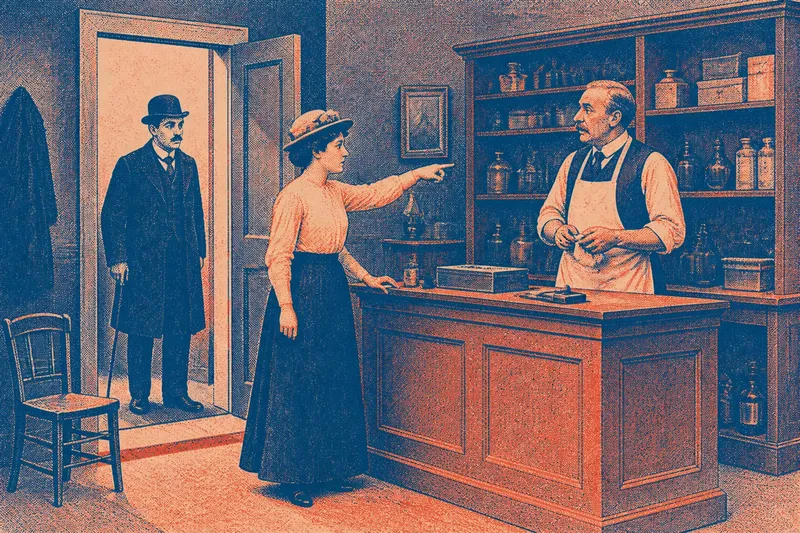
A scene may begin with narration and then move into a character speaking aloud, or a line may continue over images after its source leaves the frame. If viewers cannot tell whether the voice has shifted from narration to dialogue, they may misread who is speaking or whether the speech belongs to the scene.
Sound and image can help establish the change. On-screen dialogue usually belongs to the scene’s sound space: the voice relates to the room, nearby speakers and the character’s visible or implied presence. Voice-over is typically presented as separate from that immediate space. These are conventions rather than rules, so a film can deliberately blur them, but the change should serve a clear effect.
Try shaping the transition around a meaningful shift in the information. A narrator’s line might lead into a character repeating or challenging that account within the scene. Let the image, performance or sound make the handover legible. If the two voices are meant to overlap or conflict, preserve enough distinction for viewers to hear that they are different layers.
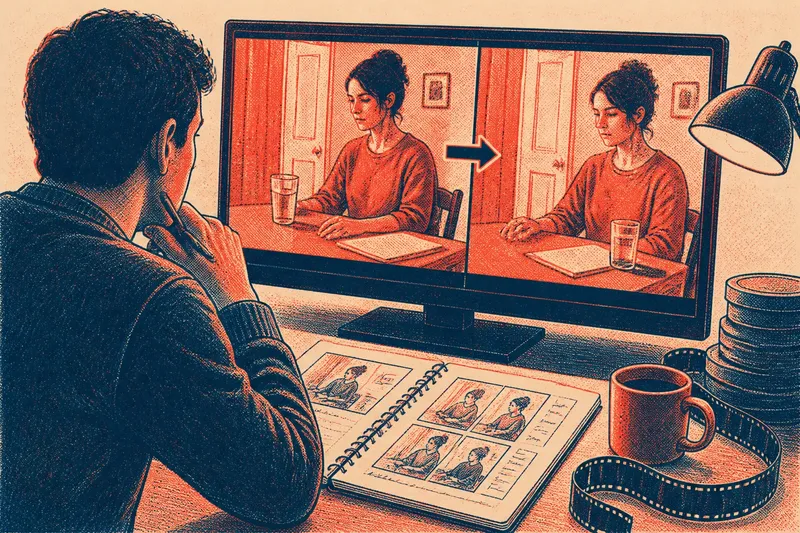
During a review, listen once without looking at the picture, then watch again with the sound low. The first pass can reveal confusing changes in voice or timing; the second can show whether the image supplies the needed context. This is a diagnostic exercise, not a demand that every scene work without sound or image.
How should voice-over and dialogue be handled?
Can a character speak in voice-over while appearing on screen?
Yes. The character may be narrating from a later moment, recalling the scene or commenting on it from outside its immediate action. Make the relationship between the voice and the image readable through context, wording or a deliberate contrast.
Is voice-over the same as off-screen dialogue?
No. Off-screen dialogue comes from a character who belongs to the scene but is outside the frame, such as someone calling from another room. Voice-over is not spoken into the immediate scene’s space, even if the speaker appears elsewhere in the story.
Can narration contradict what viewers see?
It can, if the discrepancy is intentional and relevant to the audience’s understanding. Keep the mismatch consistent enough that viewers can question the narrator rather than assume the film has made an accidental mistake.
How can I tell whether a line should be spoken aloud or narrated?
Ask who the character is addressing and what the audience should infer from that act of speaking. If another person’s response matters, use an exchange in the scene; if the audience needs a private account or a perspective outside the action, consider voice-over.
Revise for a clear audience position
When a scene feels confusing, do not start by adding explanation. Identify the audience’s intended position: are viewers meant to share a character’s private understanding, judge a spoken claim against another person’s reaction, or notice a difference between narration and image? Then check whether the chosen voice delivers that position.
For each spoken line or narrated sentence, ask what it adds, who could plausibly say it and whether its relationship to the image is clear. Remove repetition, give dialogue a reason to be spoken and establish the narrator’s access when it matters. Voice-over or on-screen dialogue works best when the audience can tell not only what information arrives, but whose perspective shapes it.